

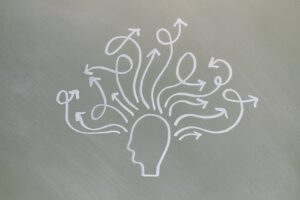
- from the isolated individual to the nervous system in context,
- from personal effort to the ecology of lived environments,
- from correcting behavior to transforming conditions.
The nervous system as an adaptive system
Why attention narrows
(References: McEwen; Panksepp; Sterling) The nervous system doesn’t work like a fixed mechanism that responds the same way in any context. It is an adaptive system, designed to adjust behavior, perception, and attention according to environmental demands.
Allostasis: adaptation and cost
The allostasis model (McEwen) describes how the organism adapts dynamically to external demands. When demands are constant or excessive, the system reduces energy expenditure to survive. This can involve:- a reduced attentional field,
- less cognitive flexibility,
- a preference for fast, defensive responses,
- difficulty exploring or integrating complex information.
Affective neuroscience and motivation
Affective neuroscience (J. Panksepp) identifies primary emotional systems, including the SEEKING system-associated with enthusiasm, exploration, curiosity, and motivation. When the environment is perceived as:- unpredictable,
- too costly,
- threatening,
This leads to the next question: how is that “world” configured, the one the nervous system perceives?
Attention as an ecological function
Not only internal: it emerges from the environment
(References: Kahneman; Mark et al.; McEwen)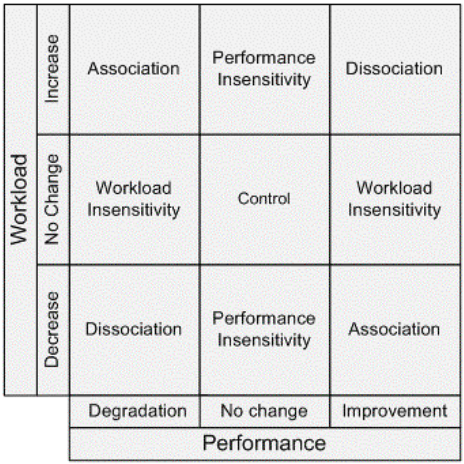
- physiological state,
- sensory load,
- interruptions,
- life rhythms,
- relationship quality,
- environmental structure.
- constant notifications → fragmented attention,
- continuous time pressure → defensive thinking,
- overstimulating spaces → attentional exhaustion.
The concept of Umwelt
The world as it is lived
(Origin: Jakob von Uexküll; developments: Varela, Thompson) Biologist Jakob von Uexküll introduced the concept of Umwelt to describe the world as perceived and made meaningful by an organism. This is not the “objective environment,” but an active perceptual field emerging from the relationship between organism and milieu. There are parallels between von Uexküll’s Umwelt theory and Richard Dawkins’ theory of the extended phenotype, which-far from strict genetic determinism-places interactions between organism and environment at the center (through central processes).
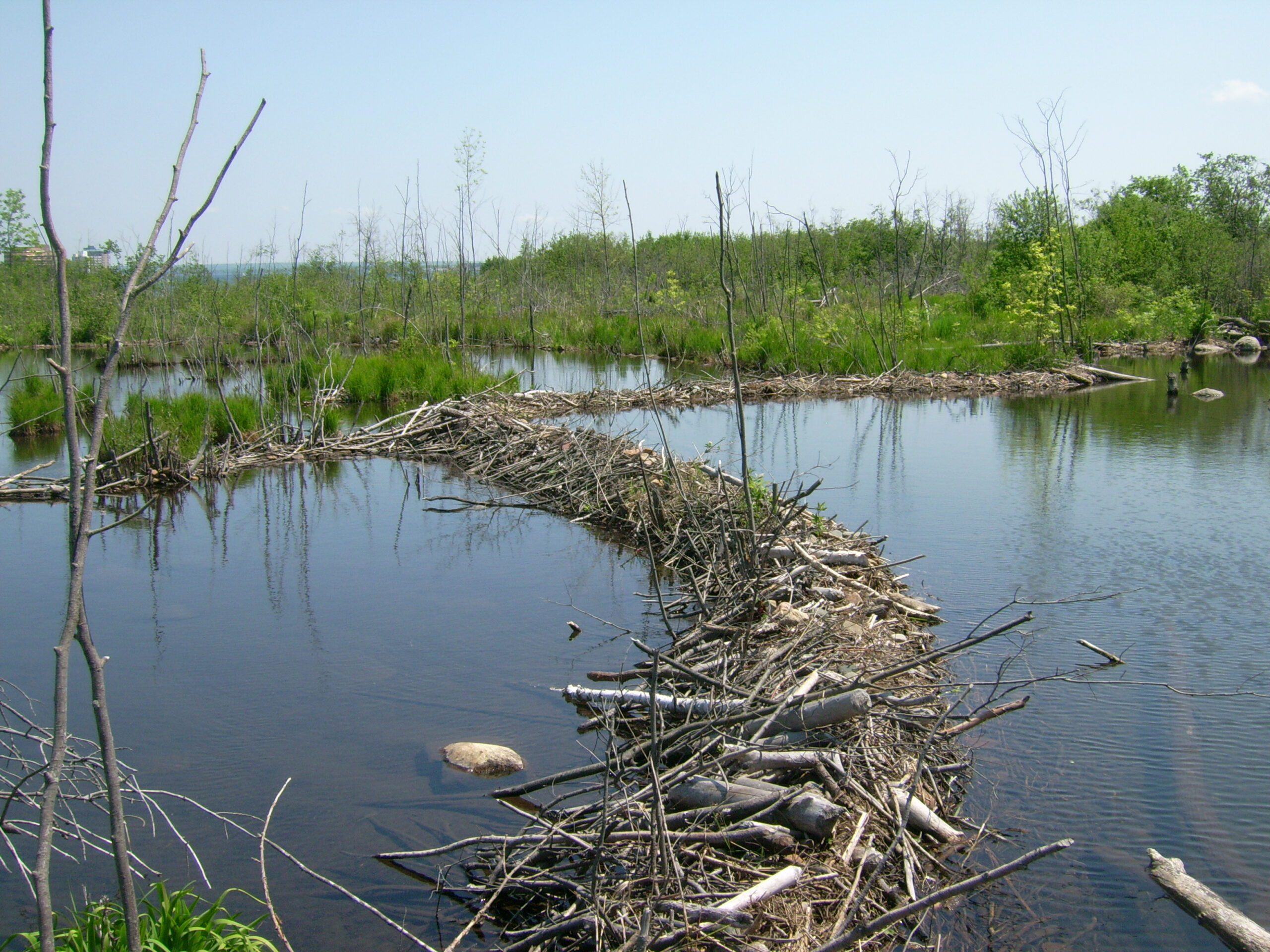
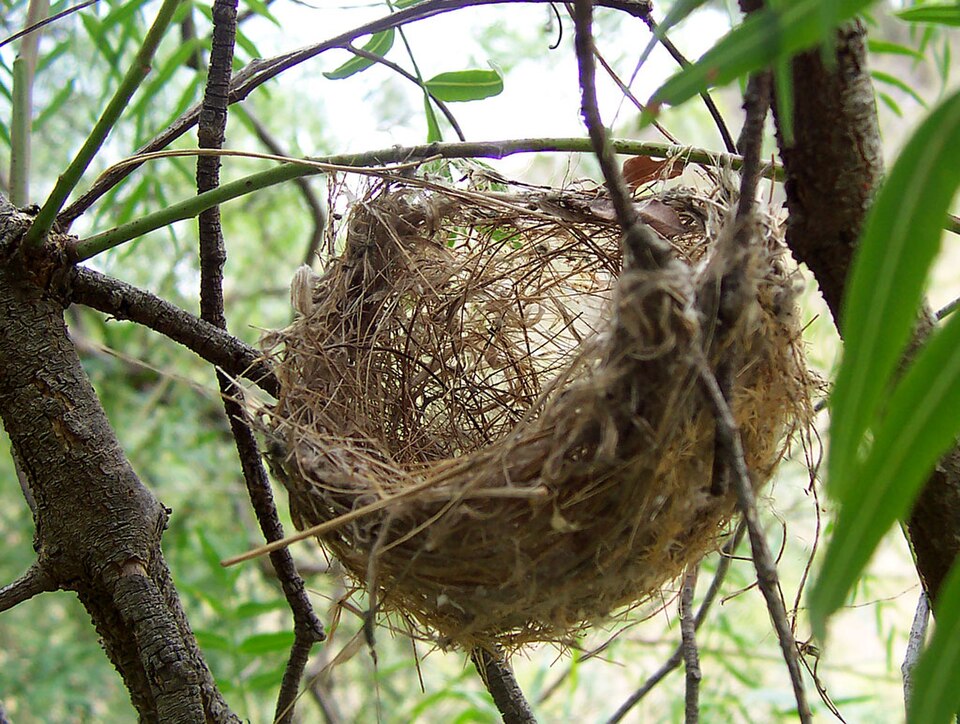
- their bodily state,
- their history,
- their attention,
- their relationship to the environment.
Experience is not contained in the brain; it emerges from the interaction between body and environment.Umwelt is therefore the basic unit of lived experience.
Everyday Umwelten and collective Umwelten
(References: Hutchins; Suchman; distributed cognition research)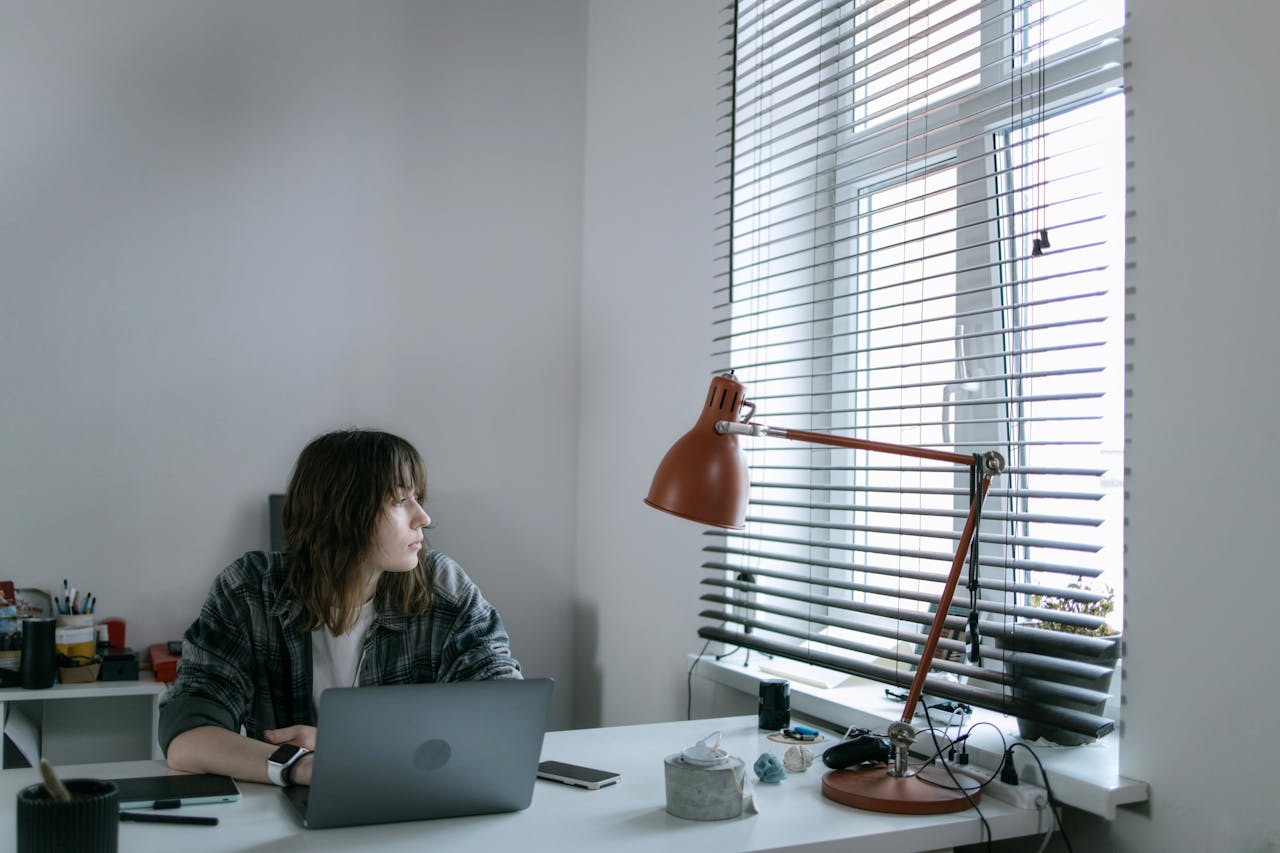
- domestic,
- digital,
- relational,
- urban,
- professional.
- implicit norms,
- technologies,
- social rhythms,
- attentional expectations.
- what is perceived as important,
- what goes unnoticed,
- how a group coordinates,
- how attention circulates.
Serendipity: what it is and where it comes from
The emergence of novelty in habitable contexts
(Origin: Walpole; developments: Makri & Blandford; March) The term serendipity was introduced by Horace Walpole in the 18th century to describe valuable discoveries made without explicitly searching for them. In an impoverished, overly controlled Umwelt, serendipity becomes essential: it introduces the unexpected, allowing the nervous system to relax, reopen attention, and restore a more flexible, curious, sensitive relationship to the environment. Contemporary research shows serendipity is not luck, but a process requiring three conditions:- possible exploration,
- openness to the unexpected,
- the ability to recognize value.
- attention quality,
- nervous system state,
- the lived Umwelt.
- in saturated Umwelten → no exploration,
- in impoverished Umwelten → no novelty,
- in habitable Umwelten → attention stabilizes and the new becomes perceptible.
Umwelt as a laboratory for sensitive systems
Learning by changing conditions
(References: enactivism; situated artistic practices) Thinking of Umwelt as a laboratory implies a methodological shift:- not interpreting first,
- but changing conditions (rhythm, materiality, interaction),
- and observing how experience changes.
- make perceptual dynamics visible,
- enable low-risk exploration,
- show how attention regulates.
Working with Umwelt as a laboratory
Within Elevart, practices do not aim to correct people or optimize performance. The goal is to modify Umwelt conditions (rhythm, attention, materiality, interaction) to observe how the nervous system responds and how experience transforms. The central principle is:We don’t intervene directly on attention or regulation, but on the perceptual environment that makes them possible.Elevart practices are conceived as situated experiments: brief, reversible, and observable-applicable both individually and collectively.
Individual practices
Reconfiguring your personal Umwelt
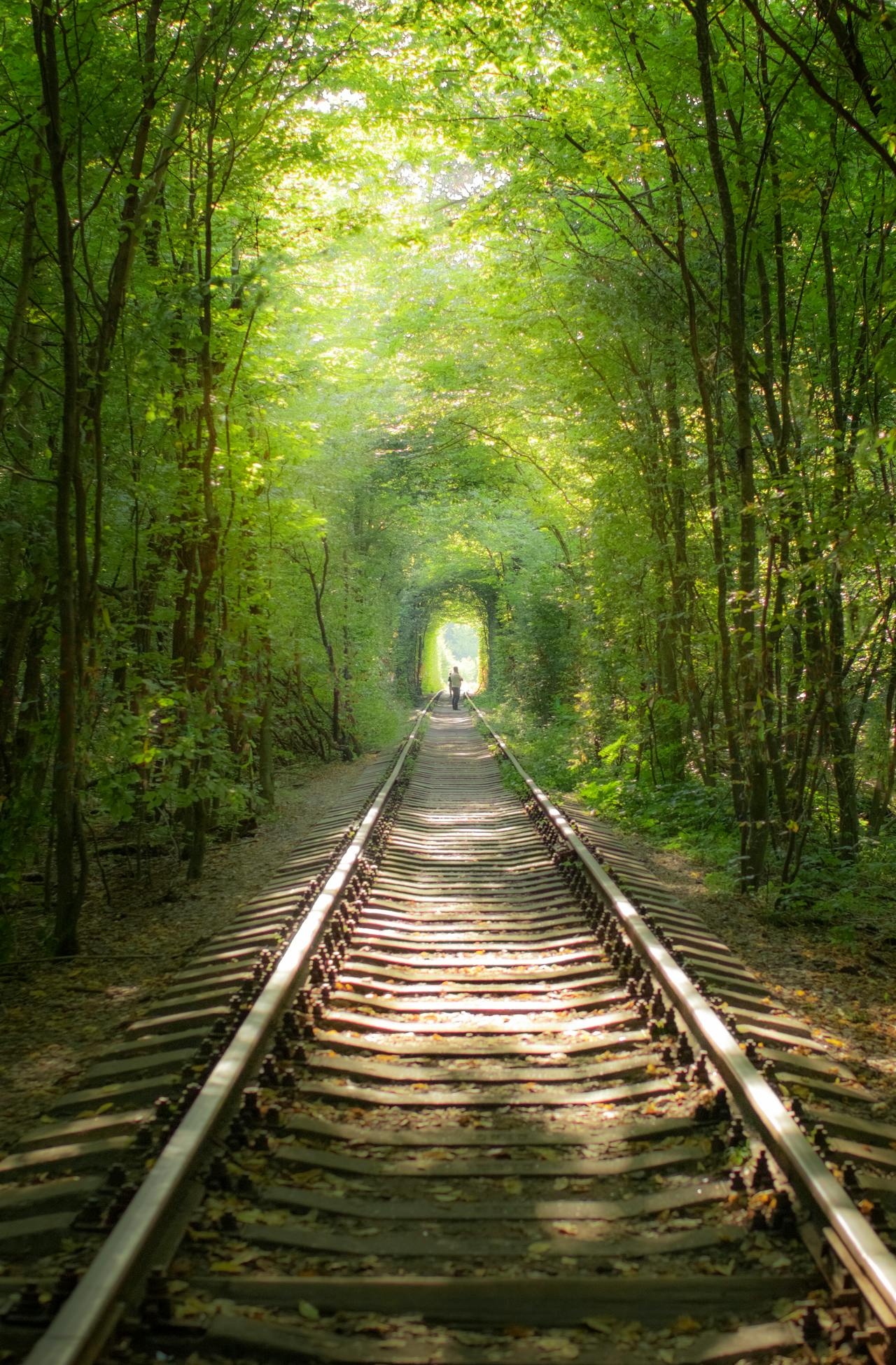
- Deliberate reduction of the perceptual field Choose a simple task (draw, write, organize objects) and deliberately reduce external stimuli (screens, sounds, interruptions). → Observation: does attention stabilize or become restless?
- Rhythm variation Do the same action at different tempos (very slow, usual, accelerated). → Goal: sense how the nervous system adjusts attention according to tempo.
- Goal-free exploration Manipulate materials (paper, pencil, everyday objects) without aesthetic or productive goals. → Purpose: reactivate exploratory drive (SEEKING) without outcome pressure.
Collective practices
Reconfiguring the shared Umwelt

When the nervous system can’t prioritize signals, everything lights up… and nothing guides.
- Temporary suspension of dominant stimuli Meetings or work spaces without digital devices for a limited time. → Observation: changes in listening quality and presence.
- Exploration spaces with no productive agenda Structured collective time where no decision or outcome is expected. → Goal: allow weak signals and serendipity to emerge.
- Changing the materiality of the space Alter seating arrangements, light, or access to objects. → Intended effect: make implicit relational dynamics visible.
- Shared-attention practices Simple synchronized activities (observe, manipulate, describe) done in a group. → Goal: stabilize collective attention without imposing control.
Umwelt Lab
These practices follow a logic of a lived-environment laboratory:- change one environmental variable,
- observe effects on attention and coordination,
- adjust without imposing a normative model.
- invisible cognitive costs,
- attentional automatisms,
- conditions that enable or block exploration.
Purpose of the practices
Individually and collectively, the practices aim to:- reduce nervous system overload,
- widen the perceptual field,
- restore more stable, flexible attention,
- create conditions for serendipity,
- improve presence, coordination, and decision quality.
Change environments to widen what’s possible
The attention crisis is not only individual, nor only professional. It is a crisis of lived environments. Understanding and working with Umwelten individual and collective can:- widen perception,
- reduce overload,
- restore exploration,
- create conditions for meaning to emerge.
Explore your Umwelt and recover more habitable attention
Individual, group, and workplace programs
Individual / Group Sessions 
👉 What if your difficulty focusing isn’t “your problem,” but the environment you live in?
If your attention feels fragmented, if sustained presence is hard, or if your environment drains you more than it supports you, Elevart offers a different kind of experience. This is not about “training concentration” or changing who you are, but about understanding how your Umwelt shapes attention and experimenting with conditions that make it more stable, flexible, and livable.What’s offered?
Elevart Program – Personal Umwelt Exploration A short cycle of guided experiences (online or in-person) to:- observe how your nervous system responds to different environments,
- identify which Umwelt elements create overload or support,
- try simple practices that widen the perceptual field,
- build a clearer, less forced relationship with attention.
Who it’s for
- creative, sensitive, or highly stimulated people,
- people experiencing digital saturation or attentional scattering,
- people who are not looking for therapy or coaching,
- people interested in an ecological, experiential approach.
This program
- is not therapy,
- does not provide diagnoses,
- does not replace medical or psychological support when needed.
Workshops for Companies 
Design environments that support attention and decision-making
👉 How much energy does your organization lose trying to compensate for environments that fragment attention?
Modern organizations don’t lack talent or commitment. They often lack habitable environments for attention, coordination, and decision-making. Elevart supports teams in understanding their collective Umwelt and testing concrete adjustments that reduce cognitive overload and improve the quality of working together.What’s offered?
Elevart Intervention – Collective Umwelt & Attention Ecology Tailored interventions (½ day, 1 day, or short cycles) to:- analyze the collective Umwelt (rhythms, flows, interruptions),
- identify invisible cognitive costs,
- test alternative shared-attention configurations,
- create conditions for coordination and unforced innovation.
What kinds of organizations?
- teams in complex or uncertain environments,
- knowledge-based organizations (tech, NGOs, research, creative industries),
- structures in transition or experiencing organizational fatigue,
- companies seeking decision quality, not cosmetic wellbeing.
Organizational disclaimer
Elevart interventions:- are not therapeutic programs,
- do not replace occupational health policies or medical support,
- do not provide individual diagnoses.
References
- Kahneman, D. – Attention and Effort
- McEwen, B. – Allostasis and Allostatic Load
- Sterling, P. – Principles of Allostasis
- Panksepp, J. – Affective Neuroscience
- Uexküll, J. von – A Foray into the Worlds of Animals and Humans
- Varela, F., Thompson, E., Rosch, E. – The Embodied Mind
- Hutchins, E. – Cognition in the Wild
- Suchman, L. – Plans and Situated Actions
- Walpole, H. – The Three Princes of Serendip
- Makri, S., & Blandford, A. – Serendipity in Information Seeking
- March, J. – Exploration and Exploitation in Organizational Learning
- Photos: Ivan S., Airam Dato-on, Larisa P., Kássia Melo, cottonbro studio, Google DeepMind, Tara Winstead
👋🏼 Questions? Contact us at info@elevart.org